Moving a network from legacy to current without a weekend outage
Network upgrades fail when they are planned as a cut-over. Planned as a migration — segment by segment, with old and new running side by side — they barely register with the people using them.
AppNet Solutions · 7 July 2026 · 4 min read
The phrase that should worry any business owner is “we will do it over the weekend”. A network that is replaced in one shot is a network with one chance to be right, and the people who will find out whether it was right are the staff arriving on Monday morning.
We run network modernisation as a migration rather than a cut-over. It takes a little longer on the calendar and dramatically less time in the incident channel.
Start with a map that is actually true
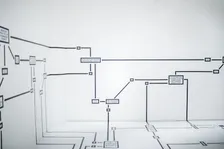
Every site we walk into has a diagram, and the diagram is wrong. Before anything is ordered we build a current-state map from the equipment itself: switch configurations, VLAN assignments, the DHCP scopes that were added in a hurry, the printer with a static address nobody documented. The map tells us what will break, which is the only way to plan for it not to.
Segment by segment, old and new side by side
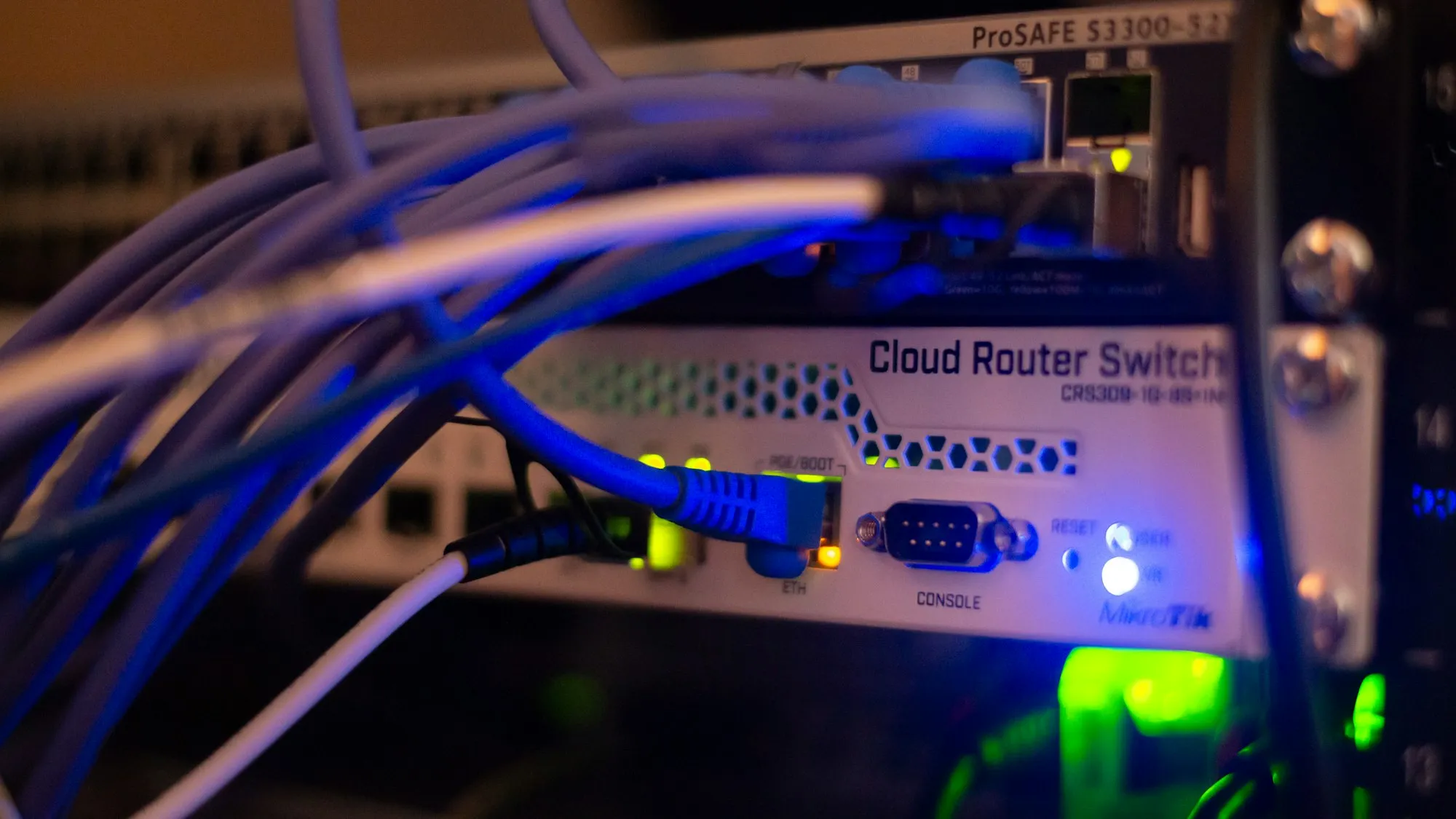
The new core goes in next to the old one, not instead of it. Each segment — a floor, a department, a building — is moved on its own, tested with the people who use it, and moved back in minutes if something is wrong. The old equipment is switched off only when nothing has depended on it for a week.
Wireless is planned, not sprinkled
Access points placed by guesswork produce the complaint we hear most often: “the Wi-Fi is fine at the front and useless at the back”. A survey with the building’s real walls and real furniture, followed by a controller that manages channels and power centrally, costs a fraction of the productivity lost to a network people have stopped trusting.
The firewall gets a baseline you can audit against
Modernisation is the moment to replace “allow everything, block the things we remembered” with a documented policy: what is allowed in, what is allowed out, what is segmented from what, and why. The written baseline is what an auditor, an insurer or the next engineer will ask for.
Hand over a network the team can run
The last deliverable is not the equipment. It is the monitoring dashboard, the labelled patch panels, the runbook for the three failures most likely to happen, and a support line for the ones we did not predict. A network is only modern for as long as someone can look after it.